One of the questions we hear most often from new parents is, "When should I start reading to my baby?" The answer is beautifully simple: right now. Whether your child is two weeks old or two years old, reading aloud is one of the most powerful gifts you can give them.
At BrightRoots, books are woven into every part of our day. We read during circle time, during transitions, during outdoor play, and during quiet moments. We read the same beloved stories again and again, because repetition is exactly what young brains need. And we encourage every family to build reading into their daily routines at home.
The Science Behind Reading Aloud
The research on reading aloud to young children is remarkably consistent. Studies have shown that children who are read to regularly from infancy hear millions more words by the time they enter kindergarten compared to children who are not. This early exposure to rich, varied language builds vocabulary, strengthens listening comprehension, and develops the neural pathways that support literacy.
A well-known study from the American Academy of Pediatrics found that interactive reading — where the adult pauses, asks questions, and responds to the child's reactions — is especially powerful. This back-and-forth exchange, sometimes called serve-and-return interaction, strengthens the bond between parent and child while building critical communication skills.
Brain imaging research has also revealed that when young children listen to stories, multiple regions of the brain light up simultaneously. Language processing areas activate alongside regions associated with visual imagery, emotional processing, and memory formation. Reading aloud is, quite literally, a full-brain workout.
It Is Not About the Words on the Page
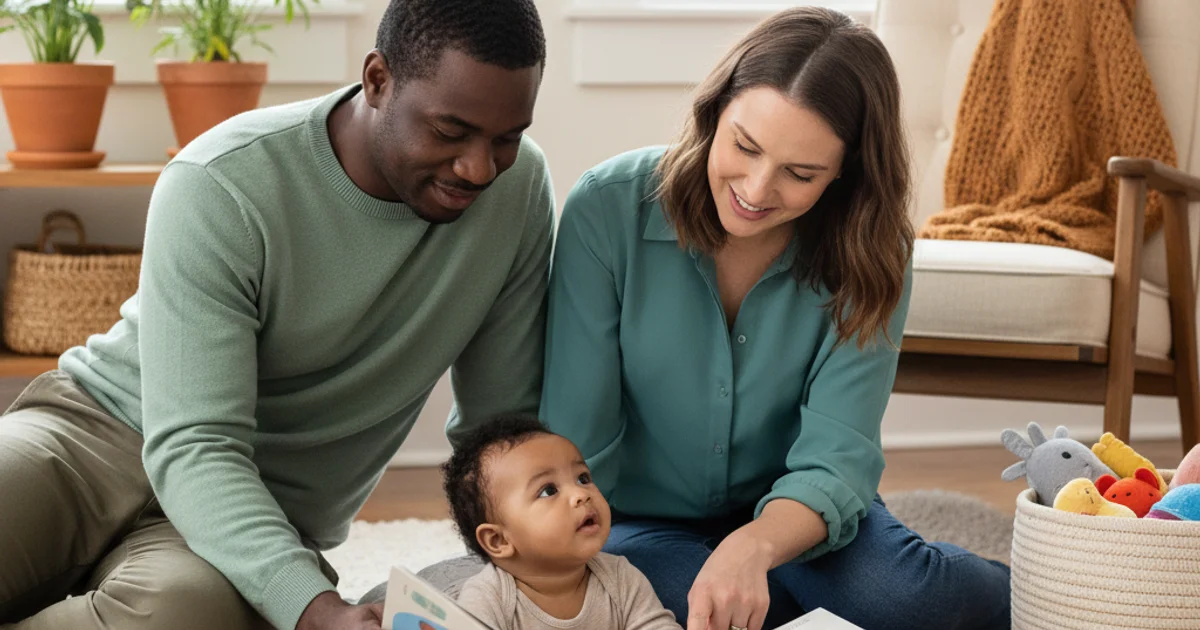
For babies and very young toddlers, reading aloud is less about the specific content and more about the experience. The rhythm of your voice, the warmth of being held close, and the shared attention on a colorful page all contribute to a sense of safety and connection. These early positive associations with books lay the groundwork for a lifelong love of reading.
As children grow, they begin to engage more actively with the stories. They point at pictures, turn pages, fill in familiar words, and ask for their favorites to be read again. Each of these behaviors is a sign of emerging literacy skills, and each one deserves encouragement and celebration.
Tips for Reading Aloud at Every Age
Newborns to six months. Choose books with high-contrast images, simple patterns, and rhythmic text. Board books with thick pages are ideal for tiny hands. Do not worry about reading every word — narrating the pictures in your own words works just as well.
Six to twelve months. Babies at this age love books with textures, flaps, and interactive elements. Let them grab, chew, and explore the books physically. Point to pictures and name objects to build vocabulary. Read with expression and enthusiasm.
Toddlers. Choose books with simple stories and engaging illustrations. Pause before a familiar word and let your child fill it in. Ask open-ended questions like "What do you think will happen next?" and give plenty of time for responses.
Preschoolers. Introduce longer stories with more complex plots. Talk about characters' feelings and motivations. Connect events in the story to your child's own experiences. Visit the library together and let your child choose books that interest them.
Making It a Habit
The best reading routine is one that fits naturally into your family's life. Bedtime stories are a classic choice, but reading can happen anytime — after breakfast, during a car ride with an audiobook, or as a calm-down activity after energetic play. Even five minutes of reading together each day adds up to tremendous benefits over time.
At BrightRoots, we celebrate reading in all its forms. We invite you to pick up a book, pull your little one close, and discover the magic together.