
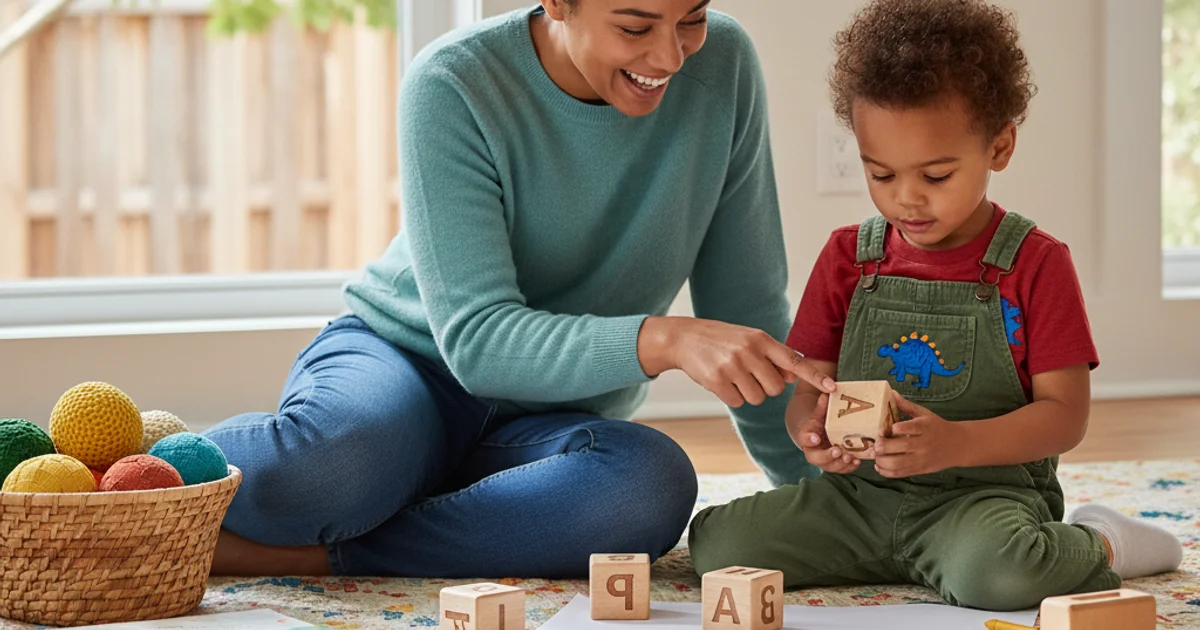
As a parent, it is natural to wonder whether your child is ready for school. You might see other families working through alphabet workbooks or practicing handwriting and feel like you should be doing the same. But the truth is, the most effective school readiness activities do not look like traditional academics at all. They look like everyday life.
At BrightRoots, we work with hundreds of families each year to prepare children for the transition to kindergarten. Here are five simple, research-backed activities you can do at home to build the skills that matter most, no special materials required.
1. Read Together Every Day
This one tops every list for good reason. Reading aloud to your child is the single most powerful thing you can do to support early literacy. But it is not just about recognizing letters or memorizing sight words. Reading together builds vocabulary, listening comprehension, narrative understanding, and a love of stories that will carry your child through years of schooling.
How to make the most of it: Do not just read the words on the page. Pause and ask questions. Point out pictures and invite your child to predict what will happen next. Let them retell the story in their own words afterward. Aim for at least 15 to 20 minutes of shared reading each day, but even five minutes counts.
Ages 2 to 3: Choose board books with simple pictures and repetitive text. Let your child turn the pages and point to objects.
Ages 4 to 5: Choose longer picture books with storylines. Ask open-ended questions like what they think a character is feeling or why something happened.
2. Cook a Simple Recipe Together
Cooking is a treasure trove of early learning. It involves measuring, counting, sequencing, following directions, and using fine motor skills, all wrapped up in an activity that feels like fun rather than work.
How to make the most of it: Choose a simple recipe with three to five steps, like fruit salad, trail mix, or muffins. Walk through the steps together, letting your child pour, stir, and measure with your guidance. Talk about what you are doing at each stage: first we measure, then we pour, next we stir.
Ages 2 to 3: Focus on simple tasks like washing fruit, tearing lettuce, or stirring batter.
Ages 4 to 5: Introduce measuring cups and spoons, counting ingredients, and reading simple recipe steps together.
3. Play Sorting and Matching Games
The ability to sort, classify, and recognize patterns is a foundational math skill that kindergarten teachers look for on day one. Fortunately, opportunities to practice are everywhere.
How to make the most of it: Use items you already have at home. Ask your child to sort laundry by color, group toy cars by size, or match socks into pairs. At the grocery store, challenge them to find all the red fruits or count how many cans are on a shelf.
Ages 2 to 3: Start with simple sorting by one attribute, like color or shape. Use large, easy-to-handle objects.
Ages 4 to 5: Introduce sorting by two attributes, like big red blocks versus small blue blocks. Create simple patterns with objects and ask your child to continue them.
4. Practice Self-Help Skills
Academic readiness is only one piece of the puzzle. Kindergarten teachers consistently say that the children who adjust most easily are those who can manage basic self-care tasks independently. This includes using the bathroom, washing hands, putting on a coat, opening a lunch box, and cleaning up after themselves.
How to make the most of it: Resist the urge to do everything for your child, even when it would be faster. Give them time to practice zipping, buttoning, and snapping. Set up a routine where they put their shoes by the door, hang their coat on a low hook, and clear their plate after meals. Celebrate their independence, even when the results are imperfect.
Ages 2 to 3: Focus on hand washing, putting toys away, and feeding themselves with utensils.
Ages 4 to 5: Add dressing independently, using the bathroom without assistance, and carrying their own backpack.
5. Have Real Conversations
One of the strongest predictors of school readiness is the size and richness of a child's vocabulary, and the best way to build vocabulary is through conversation. Not baby talk. Not instructions. Real, back-and-forth conversation where your child's thoughts and words are valued.
How to make the most of it: Narrate your day together. At dinner, ask each family member to share something about their day. When you are out for a walk, talk about what you see, hear, and smell. When your child asks a question, take it seriously, even the hundredth question about why the sky is blue.
Ages 2 to 3: Use self-talk and parallel talk. Describe what you are doing and what your child is doing as it happens.
Ages 4 to 5: Ask open-ended questions that require more than a yes or no answer. Encourage your child to explain their thinking and tell stories about their experiences.
You Are Already Doing Great
If you are reading this article, you are already an engaged, thoughtful parent. School readiness is not about perfection or pressure. It is about building a warm, responsive relationship with your child and filling their days with rich, meaningful experiences. The activities above are not a checklist to stress over. They are invitations to connect, explore, and have fun together.
If you would like more personalized guidance on preparing your child for kindergarten, BrightRoots offers free school readiness consultations and parent workshops throughout the year. We are here to help, every step of the way.