
Every parent wants their child to thrive, and we invest enormous energy in choosing the right schools, the right activities, and the right books. But there is one factor that influences learning and development as much as anything else, and it is on your kitchen table: food.
The connection between nutrition and brain development is well established. The brain grows more rapidly during the first five years of life than at any other time, and it requires a steady supply of specific nutrients to build the neural pathways that support learning, memory, attention, and emotional regulation. What children eat — and what they do not eat — matters more than most of us realize.
The Science of Brain Nutrition
The brain accounts for only about two percent of body weight but consumes roughly twenty percent of the body's energy. For young children, whose brains are growing at an extraordinary rate, the energy demands are even higher. This means that the quality and consistency of a child's diet directly impacts their cognitive functioning.
Key nutrients for brain development include omega-3 fatty acids, which support the formation of brain cell membranes; iron, which is essential for carrying oxygen to the brain; zinc, which plays a role in memory and attention; B vitamins, which help convert food into energy for brain cells; and protein, which provides the amino acids needed for neurotransmitter production.
Deficiencies in any of these nutrients can affect a child's ability to concentrate, process information, and regulate emotions. Even mild iron deficiency, which is surprisingly common in young children, has been linked to reduced attention span and slower cognitive processing.
What This Looks Like on the Plate
You do not need a degree in nutrition science to feed your child well. A few simple principles go a long way.
Offer variety. Aim to include fruits, vegetables, whole grains, lean proteins, and healthy fats in your child's daily diet. Different colors on the plate generally mean different nutrients, so a colorful meal is usually a nutritious one.
Include brain-boosting foods regularly. Some standout foods for brain development include eggs, which are rich in choline and protein; berries, which are packed with antioxidants; oily fish like salmon, which provides omega-3s; nuts and seeds, which offer healthy fats and zinc; leafy greens, which deliver iron and folate; and whole grains, which provide steady energy.
Do not fear healthy fats. The brain is about sixty percent fat, and it needs dietary fat to develop properly. Avocados, olive oil, nut butters, and cheese are all excellent sources of the healthy fats that growing brains require.
Limit added sugars. High sugar intake causes blood sugar spikes and crashes that affect mood, attention, and behavior. This does not mean eliminating all sweets, but it does mean being mindful of hidden sugars in packaged foods, juices, and flavored yogurts.
Practical Tips for Busy Families
We know that feeding a picky toddler a perfectly balanced diet every single day is an unrealistic goal. Here is what realistic, sustainable family nutrition actually looks like.
Think in terms of weeks, not days. If your child eats nothing but crackers on Tuesday but has a balanced day on Wednesday, that is fine. Look at the overall pattern across a week rather than stressing about each individual meal.
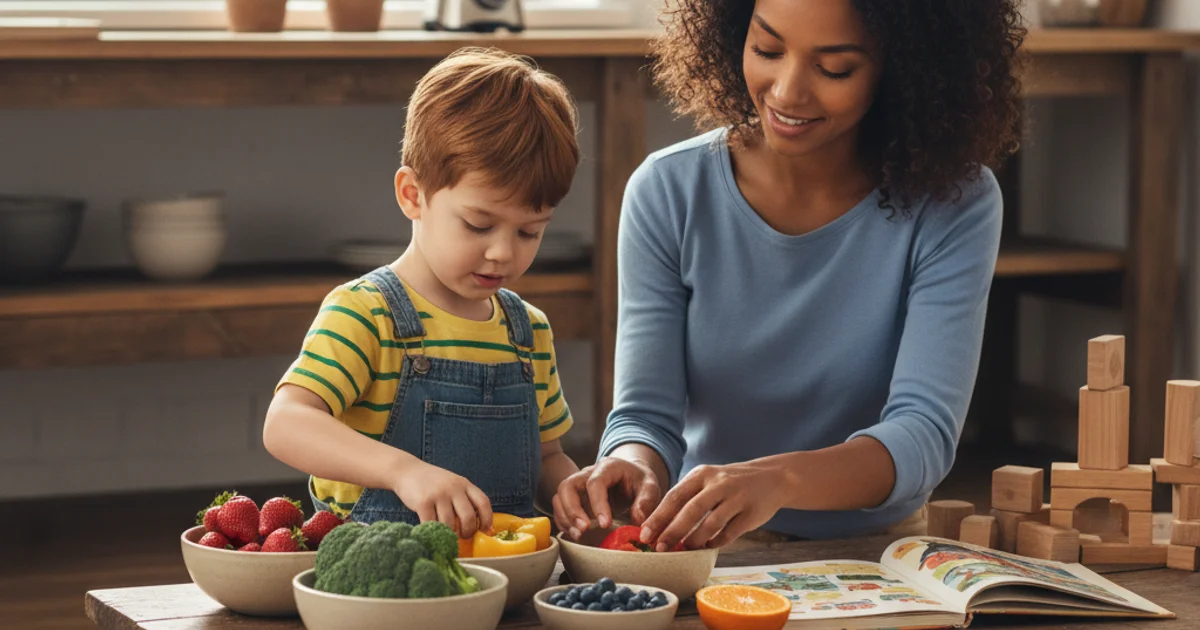
Involve your child in food preparation. Children who help wash vegetables, stir batter, and set the table are more likely to try new foods. The sensory experience of handling food reduces unfamiliarity and builds positive associations.
Offer new foods without pressure. Research shows that children may need to be exposed to a new food ten to fifteen times before they are willing to try it. Put a small amount on the plate, eat it yourself, and let your child decide whether to explore it. Pressure and coercion usually backfire.
Keep healthy snacks accessible. Cut up fruits and vegetables, portion out nuts or cheese, and keep them at child height in the refrigerator. When healthy options are the easiest options, good choices happen naturally.
Nutrition at BrightRoots
At BrightRoots, snack time is an intentional part of our program. We serve whole foods, involve children in simple food preparation activities, and use mealtimes as opportunities for conversation, social learning, and exploration of new flavors and textures.
Feeding a young child well does not require perfection. It requires consistency, patience, and a willingness to keep offering the good stuff even when it gets rejected. Your child's brain will thank you.