
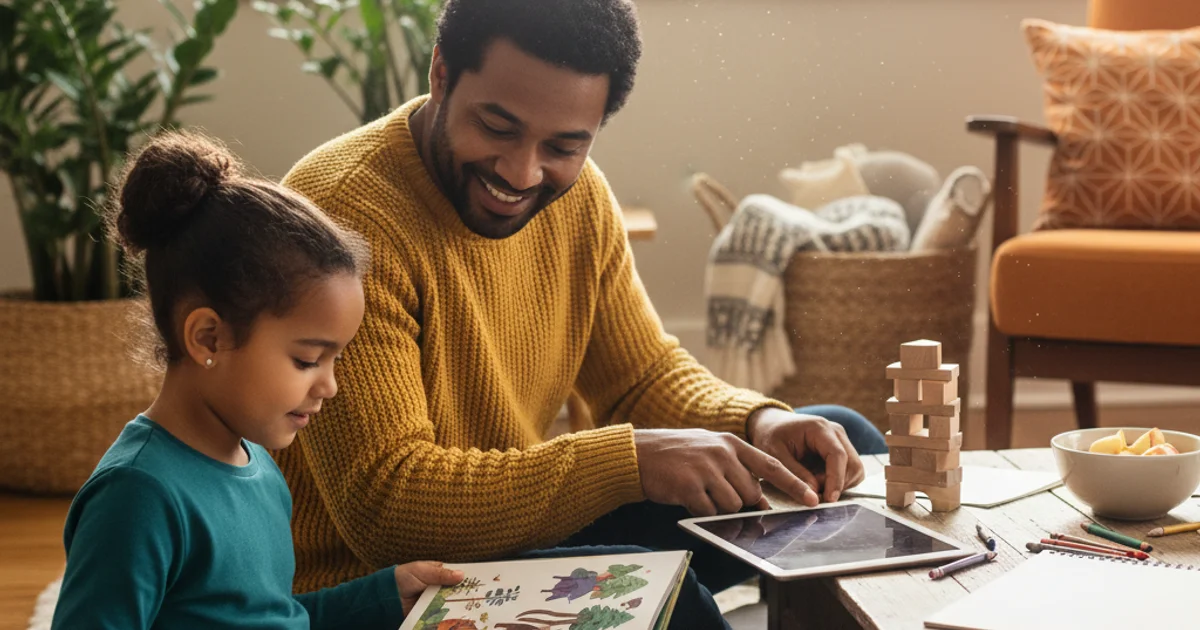
If there is one topic guaranteed to make modern parents feel guilty, it is screen time. We know we should limit it. We know the guidelines. And we also know that sometimes, a twenty-minute cartoon is the only thing standing between us and a complete meltdown — ours or our child's.
At BrightRoots, we believe in meeting families where they are, without judgment. The goal is not perfection. The goal is a thoughtful, balanced approach that supports your child's development while acknowledging the reality of life with young children.
What the Research Actually Says
The major health organizations have published guidelines on screen time for young children that provide a useful starting framework. For children under eighteen months, the recommendation is to avoid screen time other than video chatting with family members. For children eighteen to twenty-four months, small amounts of high-quality programming watched together with a parent is acceptable. For children ages two to five, the recommendation is no more than one hour per day of high-quality content.
These guidelines are based on research showing that excessive screen time in early childhood is associated with delays in language development, reduced attention span, sleep disruption, and decreased physical activity. However, it is important to note that the quality of screen time, the context in which it occurs, and what it replaces all matter as much as the quantity.
A child who watches a thoughtful educational program while sitting next to a parent who talks about what they are seeing is having a very different experience from a child who watches hours of random content alone on a device.
Quality Over Quantity
Not all screen time is created equal. When choosing content for your young child, look for programs that are slow-paced, have clear narratives, and are designed with child development in mind. Programs that encourage interaction — asking the viewer questions, pausing for responses, inviting the child to sing along or move — are more beneficial than passive viewing.
Avoid content with rapid scene changes, loud or jarring transitions, and advertising, all of which can overstimulate young brains and reduce the potential for learning. If you are unsure about a program, watch a few minutes yourself before sharing it with your child.
Co-Viewing Makes a Difference
One of the most consistent findings in screen time research is that co-viewing — watching content together with your child and talking about what you see — dramatically increases the educational value of screen time. When you watch alongside your child, you can point out details, ask questions, connect what you see to real-life experiences, and help your child process and understand the content.
This does not mean you need to sit through every minute of every show. But being present and engaged at least some of the time transforms screen time from a passive activity into an interactive learning opportunity.
Realistic Strategies for Everyday Life
Create screen-free zones and times. Mealtimes, the hour before bed, and the first hour after waking are all good candidates for screen-free periods. Establishing these boundaries early makes them feel normal rather than restrictive.
Offer alternatives first. Before reaching for a device, try offering a book, a puzzle, art supplies, or outdoor play. Often, children default to screens not because they prefer them but because they are the easiest option available.
Use a timer. Help your child develop awareness of how long they have been watching by setting a visible timer. When the timer goes off, transition to another activity. This builds self-regulation skills and reduces the battle over turning off the screen.
Model the behavior you want to see. Children learn more from what we do than from what we say. If you want your child to engage less with screens, examine your own habits. Put your phone down during family time, read a physical book, and demonstrate what engaged, present attention looks like.
Release the guilt. There will be days when your child watches more than the recommended amount. There will be times when a screen is the only tool that keeps everyone sane during a long car ride or a difficult afternoon. That is okay. One day of extra screen time will not undo the benefits of your overall approach.
Our Approach at BrightRoots
At BrightRoots, our classrooms are screen-free. We believe that the early learning years are best spent in hands-on, sensory-rich, socially interactive experiences that screens cannot replicate. However, we recognize that screens are part of the world our children live in, and we support families in navigating that world with confidence and balance.
If you have questions about screen time or want to talk through strategies that work for your family, our team is always here to help — without judgment, and with plenty of understanding.